Here is your copy of the latest issue of the newsletter. Enjoy! ͏ ͏ ͏ ͏ ͏ ͏ ͏ ͏ ͏ ͏ ͏ ͏ ͏ ͏ ͏ ͏ ͏ ͏ ͏ ͏ ͏ ͏ ͏ ͏ ͏ ͏ ͏ ͏ ͏ ͏ ͏ ͏ ͏ ͏ ͏ ͏ ͏ ͏ ͏ ͏ ͏ ͏ ͏ ͏ ͏ ͏ ͏ ͏ ͏ ͏ ͏ ͏ ͏ ͏ ͏ ͏ ͏ ͏ ͏ ͏ ͏ ͏ ͏ ͏ ͏ ͏ ͏ ͏ ͏ ͏ ͏ ͏ ͏ ͏ ͏ ͏ ͏ ͏ ͏ ͏ ͏ ͏ ͏ ͏ ͏ ͏ ͏ ͏ ͏ ͏ ͏ ͏ ͏ ͏ ͏ ͏ ͏ ͏ ͏ ͏ ͏ ͏ ͏ ͏ ͏ ͏ ͏ ͏ ͏ ͏ ͏ ͏ ͏ ͏ ͏ ͏ ͏ ͏ ͏ ͏ ͏ ͏ ͏ ͏ ͏ ͏ ͏ ͏ ͏ ͏ ͏ ͏ ͏ ͏ ͏ ͏ ͏ ͏ ͏ ͏ ͏ ͏ ͏ ͏ ͏ ͏ ͏ ͏ ͏ ͏ ͏ ͏ ͏ ͏ ͏ ͏ ͏ ͏ ͏ ͏ ͏ ͏ ͏ ͏ ͏ ͏ ͏ ͏ ͏ ͏ ͏ ͏ ͏ ͏ ͏ ͏ ͏ ͏ ͏ ͏ ͏ ͏ ͏ ͏ ͏ ͏ ͏ ͏ ͏ ͏ ͏ ͏ ͏ ͏ ͏ ͏ ͏ ͏ ͏ ͏ ͏ ͏ ͏ ͏ ͏ ͏ ͏ ͏ ͏ ͏ ͏ ͏ ͏ ͏ ͏ ͏ ͏ ͏ ͏ ͏ ͏ ͏ ͏ ͏ ͏ ͏ ͏ ͏ ͏ ͏ ͏ ͏ ͏ ͏ ͏ ͏ ͏ ͏ ͏ ͏ ͏ ͏ ͏ ͏ ͏ ͏ ͏ ͏ ͏ ͏ ͏ ͏ ͏ ͏ ͏
Institute of Ecological Agriculture

Institute of Ecological Agriculture Co-operative

IEA Newsletter | March 2026


Editorial: Farming in harmony with Nature

We commence this edition with a powerful discussion in the March issue of the Sustainable Food Trust (U.K.) Newsletter.

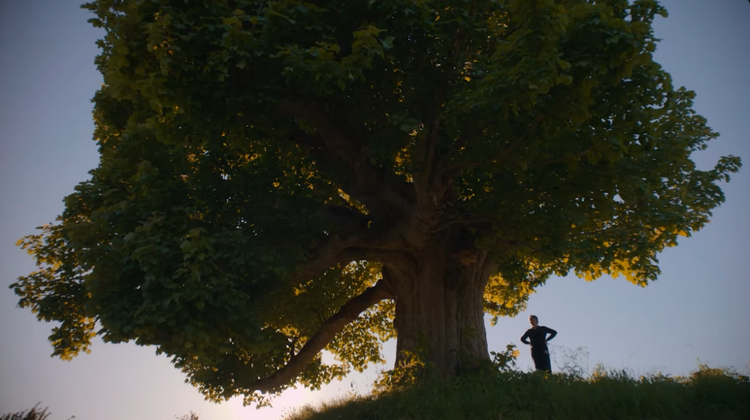
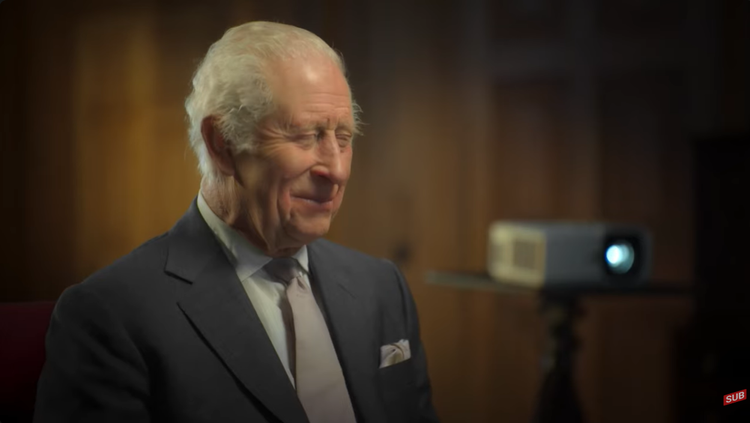
What does it really mean to farm – and to eat – in harmony with nature? In this edition, that question takes centre stage. A new documentary, Finding harmony: a King's Vision, explores His Majesty King Charles III’s long-standing philosophy of harmony. For us, this is not abstract theory, but a guiding principle for producing food in ways that restore soils, support biodiversity and strengthen rural communities.

The article continues: “Harmony isn’t about nostalgia or perfection. It is about recognising interdependence – between soils, plants, animals and people – and shaping policy, markets and education accordingly.”

That statement and the principles as outlined by King Charles in the new documentary mentioned above reflects precisely the modus operandi of the Institute of Ecological Agriculture. We champion harmony because harmony is about holism and the interdependence of life.

As King Charles argues, we need to look at nature differently. We need to link our thinking with our action, and to align all that we do and think to the concept of harmony. The more wholeheartedly and resolutely we align with this mission statement, the gentler our imprint on Nature will be. Four hundred years of reductionist science has had its value, and will continue to do so, but hopefully not in the unchecked manner in which it has manifested over this period. What needs to happen, as stated by King Charles, is a change in perception.

The following links provide additional information regarding King Charles and his thinking on harmony:

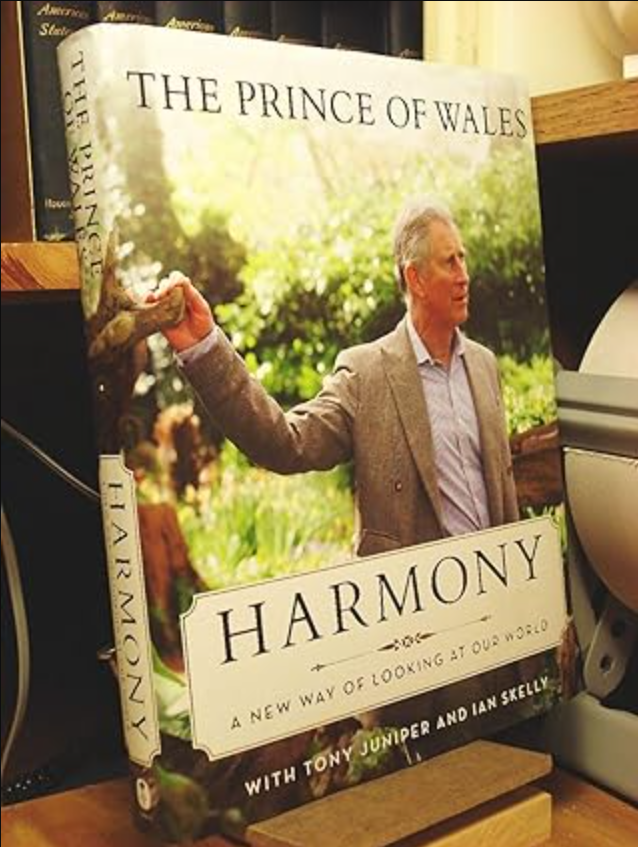
  • Harmony (the book), written by King Charles 111. Highly recommended. Available through Amazon.

  • Finding Harmony: A King's Vision. Streaming through Amazon Prime.

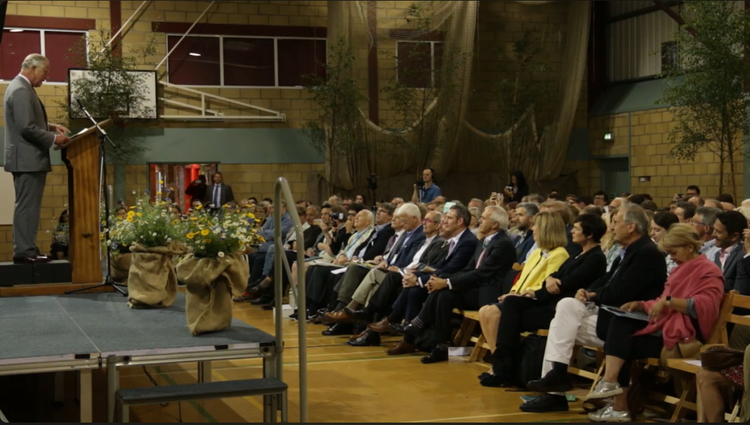
  • Here is a link to a 20-minute talk by King Charles 111 recorded at the Sustainable Food Trust’s Harmony in Farming Conference at Llandorery College in 2017. Yes, it is still relevant, as timely now as ever it was.

 Watch the video 
  • A brief 3-minute summary of harmony by His Royal Highness:

 Watch the video 

What emerges from King Charles’s statements is a recognition of the importance of aligning economics with ecology and with health. In short, farming systems are, in the longer term, financially viable while working with natural processes and not against them. Additionally, critical to the harmony movement, is the community of people and the importance of creating a sense of togetherness.

Questions arising: Your thoughts would be welcomed. Send them to Kerry Cochrane, kcochrane@ecoag.org.au.

  • Is the notion of harmony a British idea that need not have a place in Australia?

  • Is Australia ready for such a notion?

  • Can you see how we might build harmony into our psyche such that it becomes a vision for all?

  • Should the IEA assist in promoting harmony as a personal organising principle and lifework goal in our schools, primary and secondary?

Other initiatives that align with the harmony project

Here we focus on players who are actively implementing strategies to advance the ecological/regenerative standards of farms and at the same time provide the public with healthy food.

The first story involves David and Melissa Savill who have developed a business in the Bowral region of NSW supplying meat from their beef herd. David’s thinking has been moulded by a background in Steiner education including an engagement with biodynamics. On top of this he completed a Bachelor of Ecological Agricultural Systems through Charles Sturt University*. (*The Bachelor of Ecological Agricultural Systems no longer exists. It was removed from the stable of offerings by CSU School of Agriculture and Wine Sciences in 2015.)

David and Melissa tell their story here:

 Read the Savill’s story here 

In case you scan the website and miss a couple of key pages you are encouraged to take a look at https://www.yourfarmer.com.au/ecological-farming and also reflect on this pregnant passage by David:

The real truth about Australian soils

Most Australian farms appear lush, but beneath the surface lies dirt with little life.

Why? Pesticides, herbicides, drenches, vaccines and salt-based fertilisers wipe out the microbes that make soil truly fertile.

We’ve literally been salting the earth of the very farms meant to sustain us.

It’s madness … but it doesn’t have to stay that way. By restoring soil biology, and creating ecologically designed systems, we can bring our farms back to life and grow food worth eating.

Pastures on the Savill property near Bowral

Soils for Life

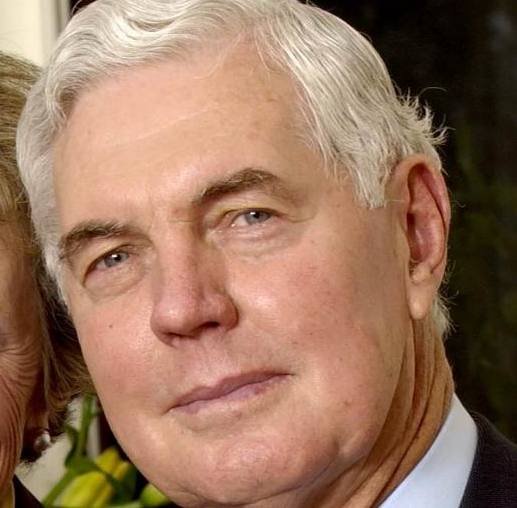
One organisation that provides a strong focus on practical engagement is the Canberra-based organisation Soils for Life which is the brainchild of the former Governor-General Michael Jefferey. Soils for Life places emphasis on actions by farmers to improve the quality of their soil with reference to improved biological life.

Michael Marlena Jeffery, former Governor-General of Australia, CC BY 3.0, via Wikimedia Commons

How things are changing! For most of the past century the main focus of pedologists has been on the physical and chemical characteristics of soil with little mention of the soil’s biological life. Now organisations such as Soils for Life and the Institute of Ecological Agriculture are emphasising the critical importance of soil biology, as also are writers such as Mathew Evans (see his Soils), Robin Wall Kimmerer (Braiding Sweetgrass) and Nicole Masters (For the Love of Soil).

For details of how Soils for Life is influencing farm production in Australia visit https://soilsforlife.org.au/case-studies/.

Field days and events organised by Soils for Life are covered here: https://soilsforlife.org.au/events/.

Grounded Festival

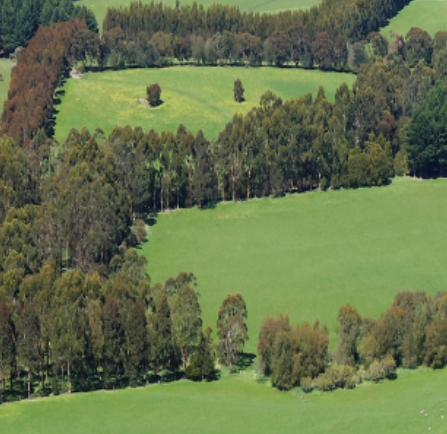
at the Yan Yan Gurt West Farm in the Victorian Otway Ranges
on 22-23 April 2026

Grounded Festival brings together farmers, landholders and community members for a day of learning, discussion and connection around land, food and farming. It creates space for conversations that don’t always fit neatly into a formal workshop.

For information go to https://groundedaustralia.com.au.

Source Agriculture Victoria


Sharing the good oil!

The IEA Newsletter seeks to circulate more widely. We offer a timely and emergent view on agriculture. Do help the organisation to grow by circulating it to anyone you believe might be interested in its focus, and those who may not yet have commenced the journey but may be intrigued to do so.

If you would like to receive the free newsletter go to our website (www.ecoag.org.au), click on Resources and then Newsletter and request a copy.

If you would like to become a member of the Institute, go here: https://www.ecoag.org.au/membership.


Editor: Kerry Cochrane
Design & presentation: Tony McKenzie PhD

facebook
We acknowledge the Traditional Custodians of these lands; on which we work, live and play. We pay our respects to the Elders past, present and emerging. It is important that we recognise their long histories with Country, and the care they have given to her for thousands of years. We celebrate, value and include people of all backgrounds, genders, sexualities, cultures, bodies and abilities.

Australian Institute of Ecological Agriculture Co-operative Ltd , Kite Street, Orange, NSW, 2800, Australia

Unsubscribe