|
Here is your copy of the latest issue of the newsletter. Enjoy!͏ ͏ ͏ ͏ ͏ ͏ ͏ ͏ ͏ ͏ ͏ ͏ ͏ ͏ ͏ ͏ ͏ ͏ ͏ ͏ ͏ ͏ ͏ ͏ ͏ ͏ ͏ ͏ ͏ ͏ ͏ ͏ ͏ ͏ ͏ ͏ ͏ ͏ ͏ ͏ ͏ ͏ ͏ ͏ ͏ ͏ ͏ ͏ ͏ ͏ ͏ ͏ ͏ ͏ ͏ ͏ ͏ ͏ ͏ ͏ ͏ ͏ ͏ ͏ ͏ ͏ ͏ ͏ ͏ ͏ ͏ ͏ ͏ ͏ ͏ ͏ ͏ ͏ ͏ ͏ ͏ ͏ ͏ ͏ ͏ ͏ ͏ ͏ ͏ ͏ ͏ ͏ ͏ ͏ ͏ ͏ ͏ ͏ ͏ ͏ ͏ ͏ ͏ ͏ ͏ ͏ ͏ ͏ ͏ ͏ ͏ ͏ ͏ ͏ ͏ ͏ ͏ ͏ ͏ ͏ ͏ ͏ ͏ ͏ ͏ ͏ ͏ ͏ ͏ ͏ ͏ ͏ ͏ ͏ ͏ ͏ ͏ ͏ ͏ ͏ ͏ ͏ ͏ ͏ ͏ ͏ ͏ ͏ ͏ ͏ ͏ ͏ ͏ ͏ ͏ ͏ ͏ ͏ ͏ ͏ ͏ ͏ ͏ ͏ ͏ ͏ ͏ ͏ ͏ ͏ ͏ ͏ ͏ ͏ ͏ ͏ ͏ ͏ ͏ ͏ ͏ ͏ ͏ ͏ ͏ ͏ ͏ ͏ ͏ ͏ ͏ ͏ ͏ ͏ ͏ ͏ ͏ ͏ ͏ ͏ ͏ ͏ ͏ ͏ ͏ ͏ ͏ ͏ ͏ ͏ ͏ ͏ ͏ ͏ ͏ ͏ ͏ ͏ ͏ ͏ ͏ ͏ ͏ ͏ ͏ ͏ ͏ ͏ ͏ ͏ ͏ ͏ ͏ ͏ ͏ ͏ ͏ ͏ ͏ ͏ ͏ ͏ ͏ ͏ ͏ ͏ ͏ ͏ ͏ ͏ ͏ ͏ ͏ ͏ ͏
Institute of Ecological Agriculture Co-operativeIEA Newsletter | February 2025
|
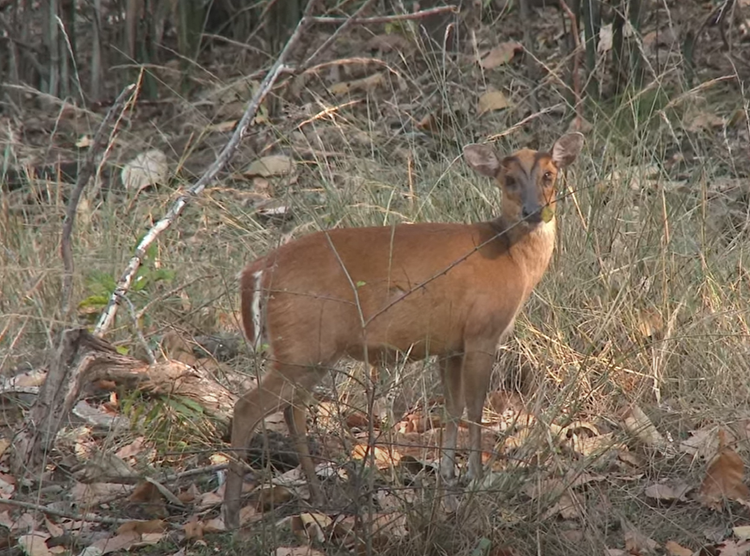
EditorialThis is the first edition of the IEA Newsletter for 2025 and we begin with the death of Dr Stephan Harding who was an academic at Schumacher College in the U.K. Stephan Harding was a key pillar in the workings of Schumacher College and perhaps his death had some bearing on the decision of the Darlington Trust (which owns the premises that supported Schumacher College) to close its doors and, thereby, suspend all course offerings at Schumacher College. You might wonder what this has to do with life in Australia but there are linkages. In the first instance Schumacher was a shining beacon worldwide offering courses which introduced the notion of holism in education. As such it attracted students from Australia. The second linkage lies in the book written by Stephan Harding called Animate Earth. This book is a personal story by Harding in which he highlights his insight that all life on earth is animate. Part of his story is about the awakening of his consciousness to a deeper level thanks to his observation of the Muntjac deer that are common in the woods near his home. The following video clip introduces you to Stephan Harding who shares his encounter with a Muntjac deer.
|
|
In this video Harding explains two levels of awareness. There is the ‘scientific encounter’, which draws on skills of analysis. Then there is that which lies beyond the analytical which is difficult to explain with the linear language of science. It does lend itself more to poetry, says Harding.
|
|
|
Muntjac deer screenshot from the video, Dr Stephan Harding on Encounter, from Empathy Media. |
|
|
The distinction as explained in the above paragraph will be unpacked in a series of webinars the IEA intends to run this year. More about that in due course. .o0o. A question for you: who do you support? The Alliance of World Scientists, or a President whose view on climate change was stated as ‘drill baby drill’. The following story has a global context but the primary spokesperson is William Ripple who is a director of the Alliance. Here is a recent post. (Note that the links in the text connect to important research on climate change. Highly recommended is the video, The Scientist’s Warning.) Dear AWS member, Can you believe it, the Alliance of World Scientists (AWS) group is now six years old. We currently have over 27,000 members from 180 countries and we are growing in numbers. Over the course of this last six years, we have done a number of projects including declaring a climate emergency, crowdsourcing funding of the documentary film The Scientist’s Warning, publishing the Scientists’ Warning series in 52 journal articles, one journal special issue, and 74 more articles in preparation, publishing the annual State of the Climate Report, and most recently, offering the Planet Earth Award to honour the applied work of scientists around the world. The overall mission of the AWS is to provide a collective international voice of thousands of scientists regarding the global climate crisis and environmental challenges with the intent to turn accumulated knowledge into action. Also, we need funding and if you know of any individual philanthropists or groups that would potentially be interested in helping fund the activities of the Alliance, or more perhaps specifically, our annual State of the Climate report, please send their contact information or webpage link to me too. Thanks, Bill William J. Ripple, PhD
Director, Alliance of World Scientists
Corvallis, Oregon
AWS is in partnership with the Conservation Biology Institute.
|
|
|
Bill Ripple at Iron Mountain in 2010 | Photo: Leslie Green, CC BY-SA 1.0, via Wikimedia Commons |
|
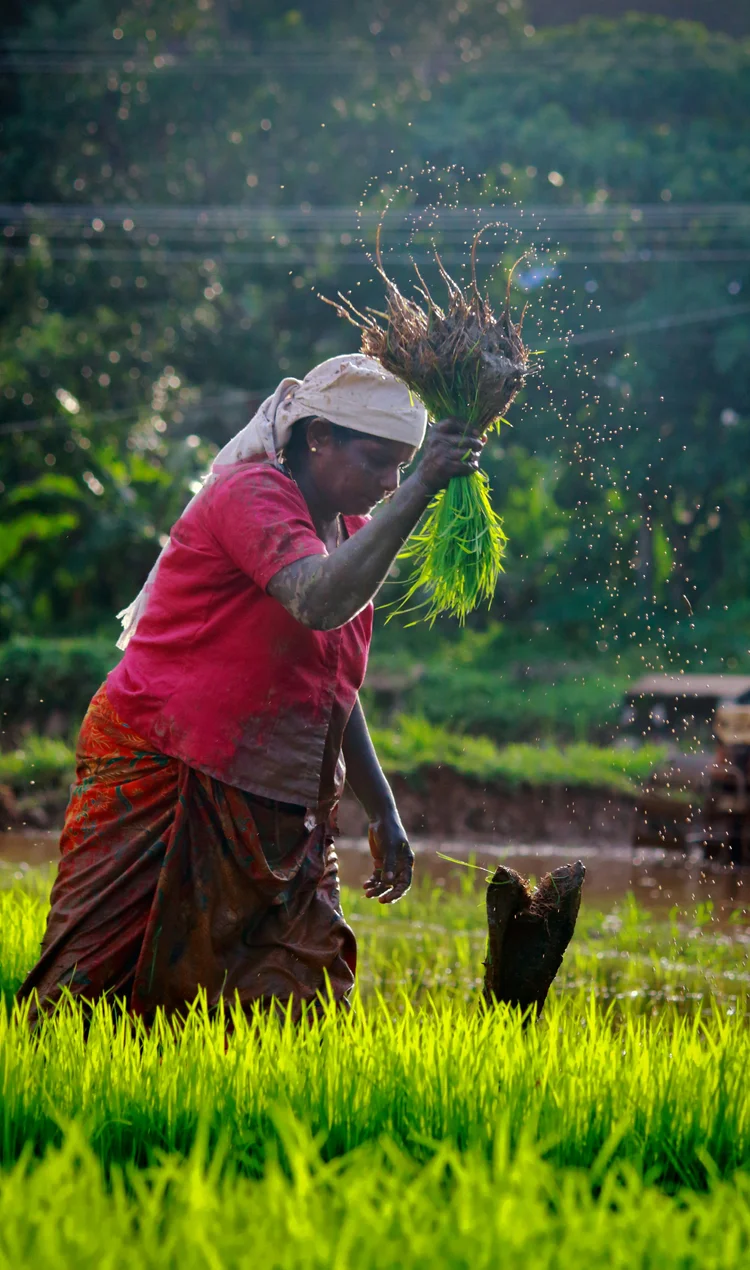
Artificial intelligence and regenerative agriculture: what is the connection?The Institute of Ecological Agriculture is a member of the Rockefeller Foundation and recently we received an interesting article which highlights how India is using artificial intelligence to increase farm production. It is a story which raises questions as to whether AI could be used in Australia to create linkages in the community under the banner of regenerative agriculture. Here is the link:
|
Treasure troveNow we turn to an impressive collection of resources from Emergence magazine. By subscribing you receive the magazine and newsletters. Here is their Introduction to four visual stories about the environment and the need to preserve its preciousness. The turning ecological and political tides of 2024 have reminded us of the urgent need for cultural and spiritual renewal. It’s become more apparent than ever that our institutions and systems will not lead the way towards collective transformation, and so we’ve found ourselves reaching again for stories that offer rooted and practical pathways into inner spaces of humility and love – spaces where we can begin a practice in spiritual ecology. From opening our physical senses to connect with the many languages of the Earth; to reimagining time and navigating our shifting landscapes, the stories we’ve explored deepen, rather than sever, our relationship with the land. As we contemplate how we can nurture these seeds in the year ahead, we invite you to watch, read, listen, and engage with a selection of these stories from the last twelve months.
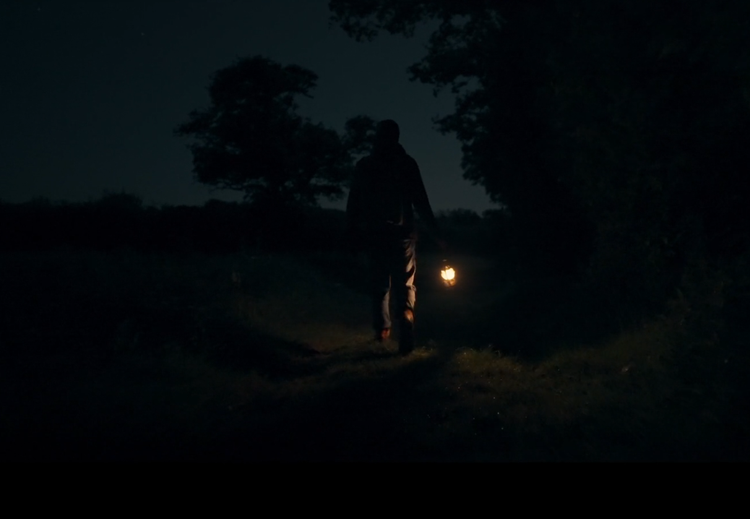
The Emergence website currently features a series called Shifting Landscapes, stories about what it means to reawaken and hold love for the living world as environments are changed by ecological destruction and irreversible loss. The first story, The Nightingale’s Song, is directed by Adam Loften and Emmanuel Vaughan-Lee, in which British traditional singer, Sam Lee, joins the nightingale in song as development threatens it with extinction in the UK. Aloha ‘Āina explores a love for and of the land embodied by Native Hawaiian poet Jamaica Osorio as she fights to protect the sacred Mauna Kea from the construction of a thirty-meter telescope. The Last Ice Age journeys with Icelandic writer Andri Snær Magnason to the melting Vatnajökull glacier as he looks for myths large enough to hold the vastness of the climate crisis. And in Taste of the Land, Cambodian-American filmmaker Kalyanee Mam searches for a rooted connection to her homeland – changing through deforestation, industrialization, urbanization, and development – and awakens an ancestral memory of the taste of the land that lies within.
|
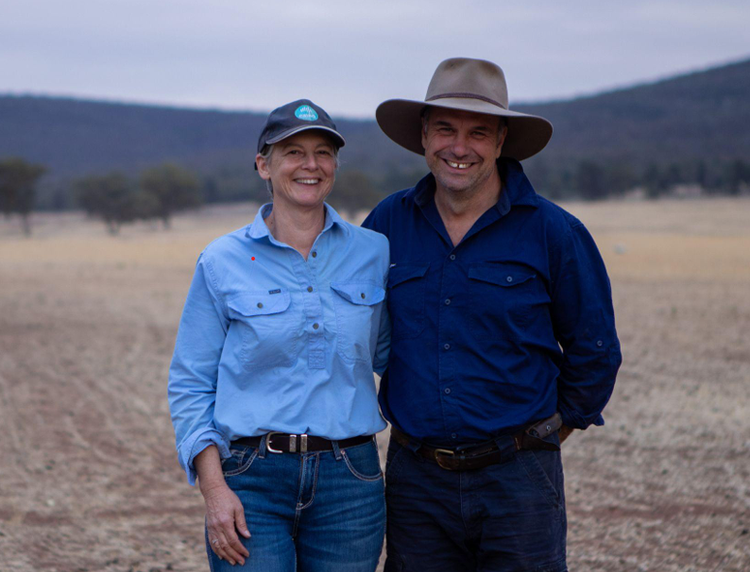
Practical ecological farmingFor details on this we searched the website of Soils for Life and their recordings of farmers and their farming practices. There is no shortage of stories and perhaps there are methods underway on these farms that might mirror your practice. For comment we have identified the following: Craig and Dee Wilkes-Bowes from Naradhan in the Riverina They describe their approach as ‘striving for a sustainable balance with profitable outcomes’, and see soil monitoring as key to understanding their landscape.
|
|
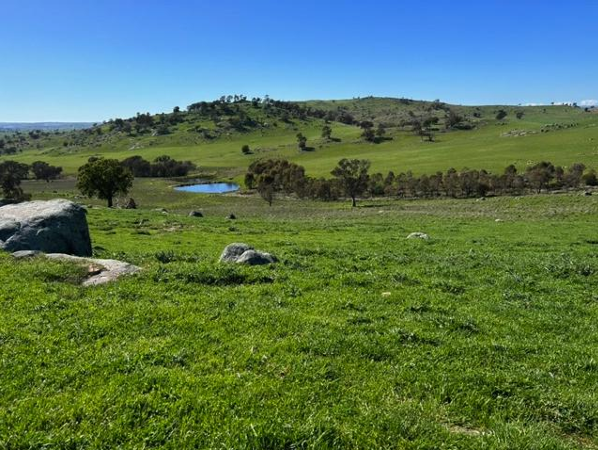
The Matthews at Bedarbidgal near Hay The Matthews holistically graze merino sheep and angus cattle on 7,000 ha. In 2018, they reduced their merino flock to focus on the restoration of native pasture areas across the property. With a wealth of knowledge and experience to draw on, Bert and Liz have dedicated a lot of time to improving the country, building biodiversity back into the landscape and supporting soil health.
|
|
The Kelly family at Rugby Station ‘Biodiversity corridors create that opportunity for natural systems to function fully with the protection of not being eaten by stock, and allow the survival of really beneficial fertilising insects and things like that.’ – Belinda Kelly
|
|
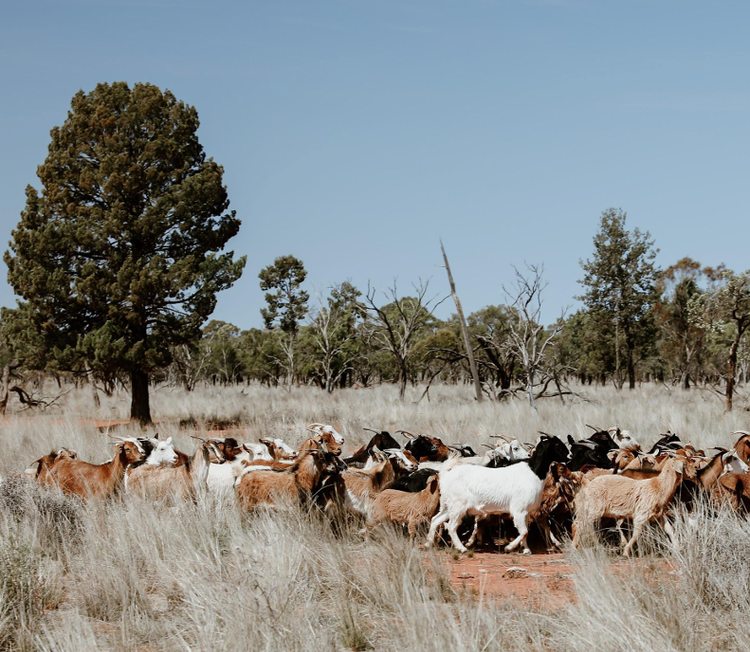
Andrew & Megan Mosely at Etiwanda (near Cobar) Andrew and Megan now run white dorper meat sheep, semi-managed rangeland goats and red angus cattle on the property. Grazing management is their key focus, however they haven’t created a standardised cell-grazing set up, and have instead taken an approach of creating better wire and water infrastructure in certain places to create targeted intensive animal impact from the three enterprises (sheep, goats, cattle), based on what that part of the landscape needs at that time. They now have 70 to 80 of these paddocks in their system. Since making these changes, the Moselys have noticed they have more high-succession and better quality perennial grasses and less capping and bare ground. Generally, their property has more life than it used to.
|
New Board at the IEAAt our recent AGM we welcomed three new board members who will join eight continuing members. The new board members are Jen Ringbauer, Bernard Callus and Bernie Hookey. They join Ethan Gordon (President), Kerry Cochrane (Vice President), Jono Forrest (Treasurer), Rachel Armstrong (Secretary), Lorraine Gordon, Nathan Strawbridge, Kallista Bolton and Katharine Brown.
|
Join the Institute of Ecological AgricultureIf you are interested in joining the Institute, then the pathway to doing so is simple. Just go to https://www.ecoag.org.au/membership and fill out the form. If you are not sure about joining but would like to receive the Newsletter, go to https://www.ecoag.org.au/news and fill out the form. If you are not sure about the IEA and need reassuring, best go to our Position Statement and see what it says: https://www.ecoag.org.au/position-statement. If you are interested in becoming accredited within the framework of ecological or regenerative agriculture, please visit the following: https://www.ecoag.org.au/accreditation. Sharing the good oil!The Newsletter needs to circulate through the Australian rural community. It provides a different and important worldview on farming. Help the organisation to grow by circulating it to your friends or to people whom you think would benefit from it!
|
|
Editor: Kerry Cochrane
Design & presentation: Tony McKenzie
|
|
|
|